

Southern Gothic Honmoon:
In Sinners and K-Pop Demon Hunters, the scariest monster is assimilation


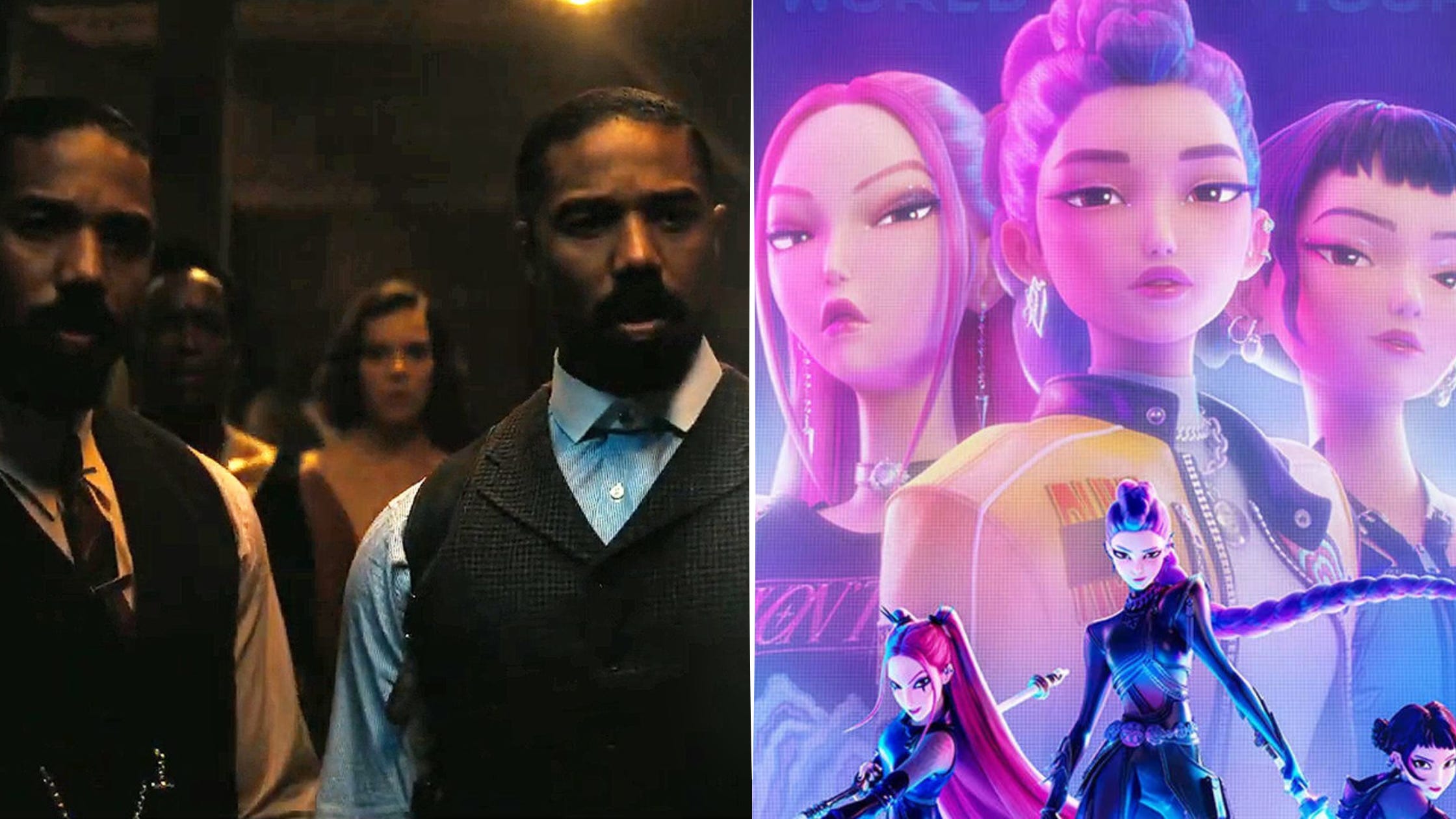
Both Sinners and K-Pop Demon Hunters are telling the same story: assimilation is scarier than any monster. Yes, one’s a Ryan Coogler Southern Gothic vampire musical and the other’s an animated K-pop fantasy. But once you see it, you can’t unsee it. I watched both "K-Pop Demon Hunters" as a break from my spiraling anxiety about the release of my third book, Princess and the PI, and the fact that our democracy is crumbling… a mistake. Susan Lee is here with gorgeous points, and to make sure I don’t accidentally start a race war with crazy ass assumptions.
As your friendly neighborhood anthropologist, I broke it down into five incomprehensible sections:
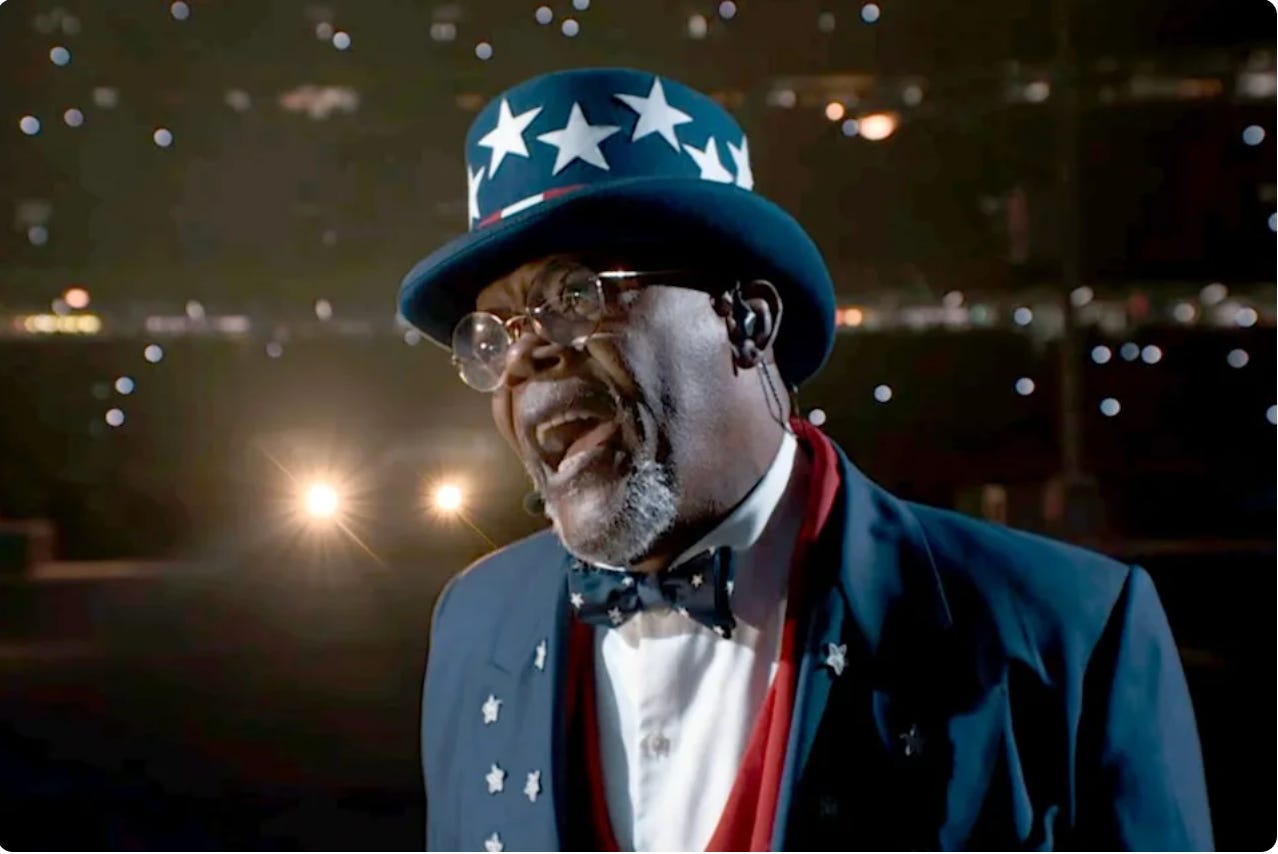
Samuel L. Jackson,
Sexy Demons,
Sammie and Rumi
The Veil
The two types of vampirism.
Samuel L. Jackson and Code-Switching Hell
Both stories are about the veil – that thin membrane between worlds, between who you are and who your family wants you to be, between your authentic self and the performance of respectability. We’ll go deeper into that later.
But both are about families who love you enough to ask you to fit in for your own safety. Here's what both movies understand that a lot of people miss: The supernatural isn't the real soul-stealing monster – assimilation is.
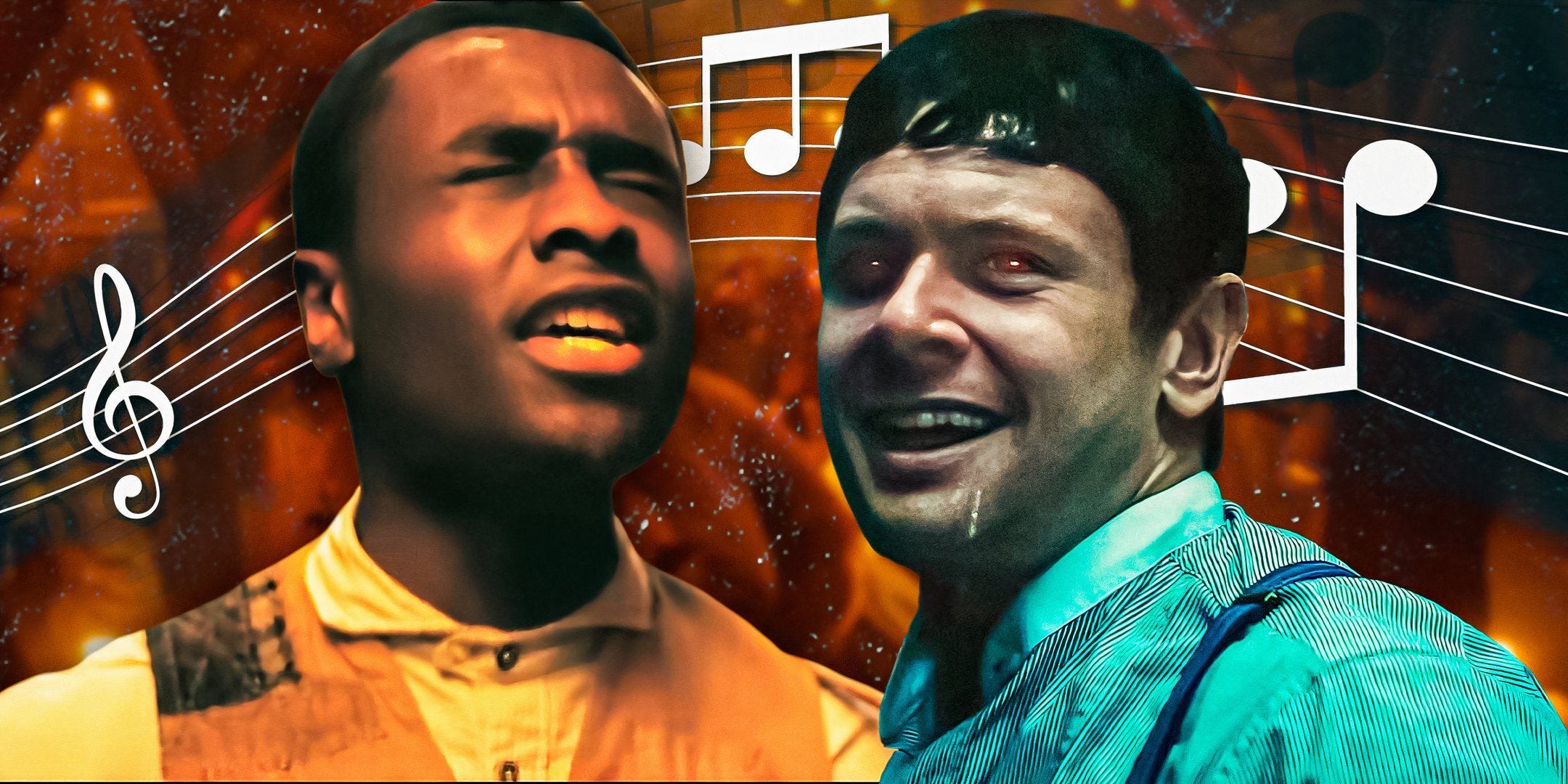
In "Sinners," Sammie can literally "pierce the veil between life and death" with his music, but his preacher father wants him to suppress that gift because it's too dangerous, too Black, too Loud, and connected to ancestral power that threatens white Christian dominance. Thus Evil.
In "K-Pop Demon Hunters," Rumi has to hide her demon marks and suppress her voice to maintain the Honmoon (the magical veil that protects humanity) because her mixed heritage makes her a threat to the established order.
Spoiler alert, Sammie's music ultimately pierces the veil, connecting him to ancestral power that church-approved performance couldn't access. Rumi's final song fractures the Honmoon, exposing truth and transforming shame into strength.
The pattern: Both protagonists have supernatural gifts that connect them to their cultural heritage, and both have families pressuring them to hide those gifts for "safety" and respectability.
Rennick and Jinu: Sexy Demons Who Mirror Us
In Sinners, Rennick embodies that seductive danger of assimilation. This Irish vampire recites the Lord's Prayer while exploiting Black artistry – literally wearing Christian masks to manipulate and extract from Black culture. He exploited the white couple's racism in pleading for his life against the “Injuns.” and similarly leans in on Mary’s loneliness to get access to her. He represents what happens when you use the master's tools not for liberation, but for continued exploitation.
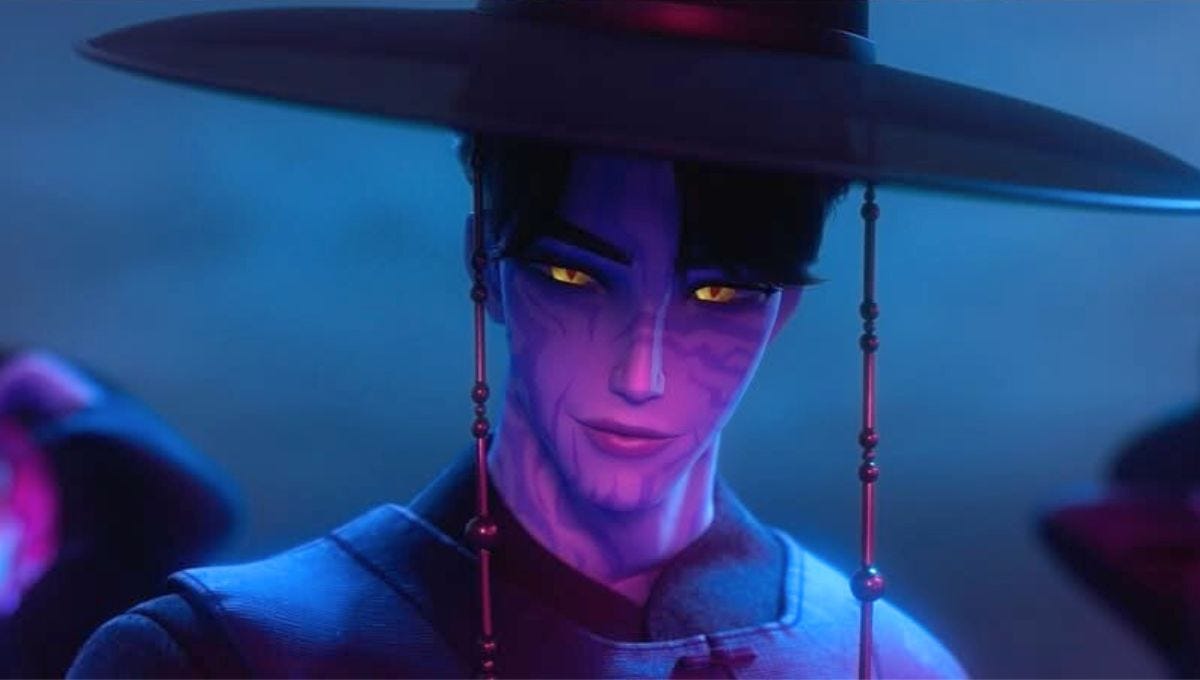
Jinu from the Saja Boys functions similarly in K-Pop Demon Hunters. As the leader of literal demons disguised as pop idols, his "gilded voice" once saved his impoverished family before horror followed. But he's not just a villain – he's a mirror for Rumi, challenging her to reveal who she truly is, even at the cost of public shame. Moreover, Susan argues that Jinu is a tool of proximity as well. He lived with the demons and is empowered by his closeness to power. Mimicking the seduction of assimilation and proximity to witness and mainstream culture for safety.
Both characters represent the cost of performance: the way survival under oppressive systems can turn you into the very thing that exploits your own people.
Do you have a different take on Jinu or Rennick? Let’s hear it in the comments.
Sammie and Rumi: The Violence of "Just Hide It"
Here's where these stories get anthropologically fascinating: both protagonists are children of diaspora, carrying cultural power their families are afraid to let them use.
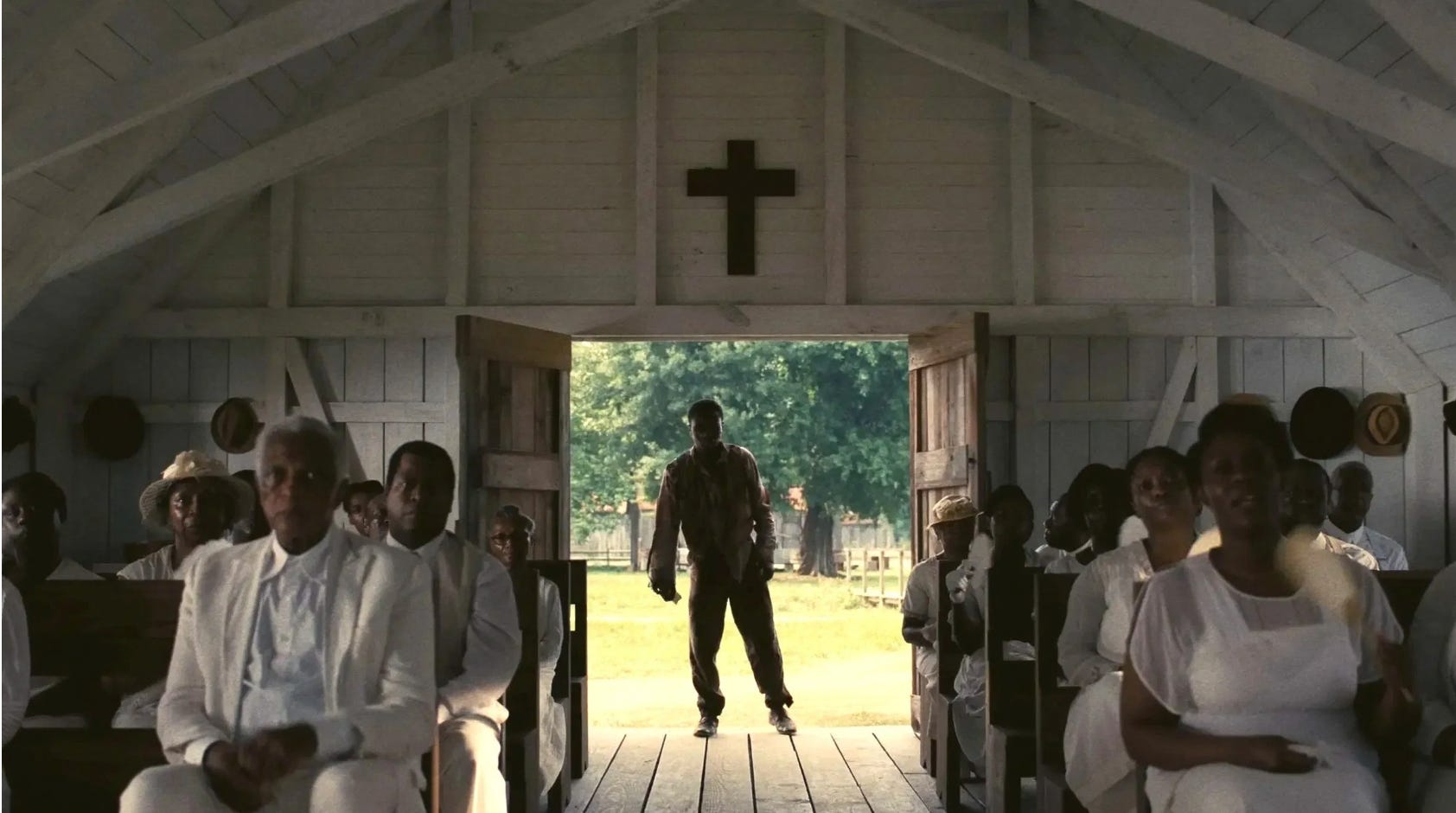
Sammie's father, the pastor, warns him that his musical gift is sinful – almost demonic. The guitar he holds tight to is his uncle's, a man whose evil legacy looms large over the town and the surrounding area. The church represents preservation, fear, and control wrapped in protective love. The movie opens with the father pleading with Sammie to let the guitar go. Sammie's father urges repentance rather than expression, genuinely believing this will keep his son safe. leave the symbol of sin and danger and evil for the life of a pastor. Samie is even told by Smoke that he should choose to follow in his father’s footsteps and become a pastor.
Rumi faces parallel pressure. Her lineage is "demon-tainted" (I may be wrong, but I read this as: culturally mixed). Susan, am I doing too much? Celine, the hunter who raised her, suggests concealing her marks could make her "perfect."Rumi gets pressured to hide those marks to maintain and protect the Honmoon barrier. But is this protection or suppression? When Rumi's true nature gets exposed during the Idol Awards, she has to decide if she is going to choose safety → “Put down the Guitar” or make her own decision.
Both families are operating from protective trauma – they've seen what happens to people who don't assimilate, don't code-switch, don't hide the parts of themselves that the dominant culture finds threatening. What makes both movies devastating is how they show families perpetuating the same violence that was done to them.
Sammie's father survived by suppressing his own connection to ancestral power (his evil guitar-playing brother) and adopting Christianity. Now he's trying to force his son into the same psychological cage that "saved" him. Rumi's situation reflects the diaspora experience where being "too Korean" or "not Korean enough" becomes a constant pressure point, with older generations sometimes pushing assimilation as protection. #itbeyourownpeople
When you hide core parts of yourself for survival in hostile systems. This can make you overly conscious (doubly if you will) of how you are perceived in the world.
Dr. W.E.B. Du Bois called this "double consciousness" over a century ago, but both films show how this psychological violence gets passed down through generations as a survival strategy.
The Veil
In Sinners, music becomes a conduit between the ancestral spiritual world and Jim Crow reality. The juke joint operates as a liminal space – part Christian, part African spiritual practice, all resistance against oppressive surfaces.
In K-Pop Demon Hunters, the veil manifests as the Honmoon (혼문) – a magical barrier sustained through song that protects humanity while concealing supernatural truths.
Both movies use "the veil" as their central metaphor, and anthropologically, this is genius, because both movies come to the same conclusion.
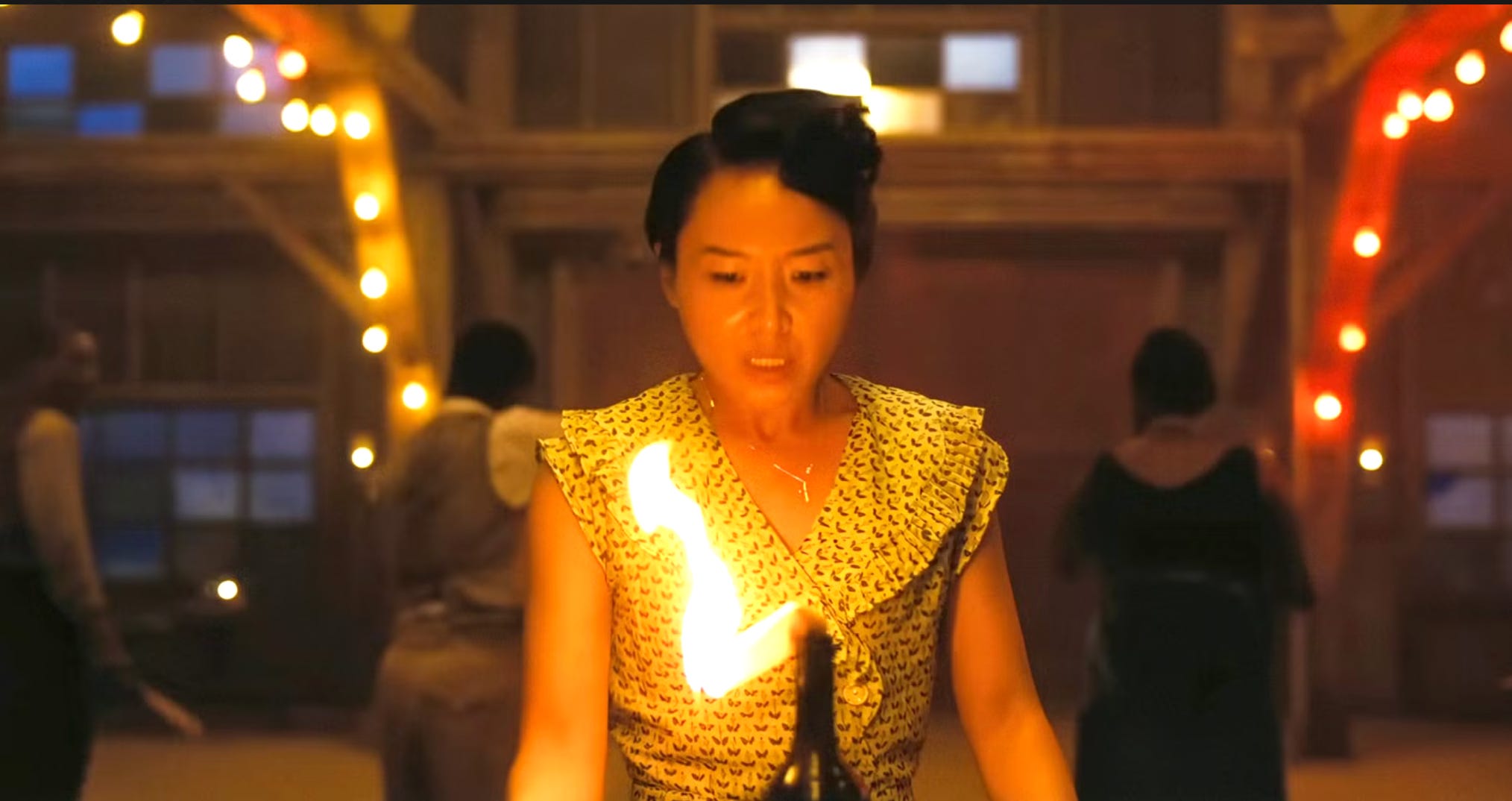
The only way forward is through that shit, not around it. #IndefenseofGrace
The veil was meant to protect, but it was also meant to obscure. Both stories suggest that protection through hiding isn't sustainable – eventually, you have to choose between safety and authenticity, between family approval and personal truth.
The Blood vs. The Soul: Two Types of Cultural Vampirism
Here's where the anthropological difference between these two supernatural systems gets SO Dope!! Western vampire mythology is about consumption, while Korean demon mythology is about corruption.
In Sinners, Rennick operates according to classic Western vampire logic – he literally consumes. Blood, yes, but more importantly, he consumes Black cultural essence while wearing Christian masks. This is extractive vampirism – taking what you need to sustain yourself while leaving the victim drained, empty, potentially dead. (My previous Substack on Tyla and the Diaspora was vaguely about this). Rennick embodies all of these – he's the colonial agent who extracts Black artistic genius to feed his own immortal existence.
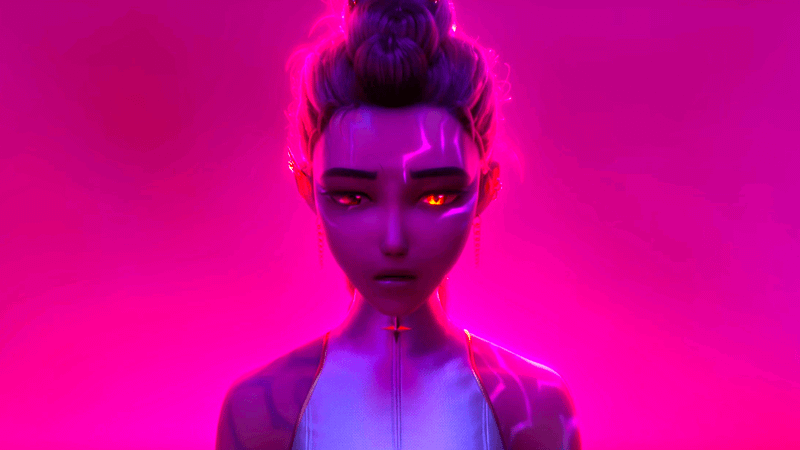
But the Korean demons in K-Pop Demon Hunters work differently. They don't suck blood – they steal souls through performance. The Saja Boys don't drain their victims; they seduce them into spiritual corruption. This reflects a fundamentally different understanding of evil in Korean cosmology.
Korean Soul-Stealing vs. Western Blood-Sucking
In Korean folklore, demons aren't typically interested in your bodily fluids – they want your spiritual essence. The concept of hon (혼, soul/spirit) is central here. Korean supernatural entities often work by:
Possession rather than consumption
Spiritual misdirection rather than physical domination
Corrupting your essential nature rather than draining your life force
The Saja Boys represent this perfectly. They're not trying to kill their audiences – they're trying to corrupt their spiritual alignment. Through irresistible pop performances, they seduce fans into abandoning their authentic selves and accepting spiritual compromise.
This is why K-Pop Demon Hunters feels different from Western vampire stories: the threat isn't death, it's spiritual vacantness. (not a word, but better than vacancy) They become spiritually colonized.
Did someone say colonization!

The Netflix Paradox:
Susan says the choice is so key here. Making the CHOICE to stop hiding, stop being held down by cultural norms and lies that were in response to generations of being owned, othered, and imprisoned. She also sees the beginnings of eventual appropriation. Once we, as a people, have our identities limited to what people see as digestible “culture”, they then want to ape it, not realizing they can’t replicate it.
This is Korean Soul corruption. Stay with me.
Ok so… Despite the runaway success of Squid Game and K-Pop Demon Hunters, Korean content commissioning dropped 20% from 2023 to 2025. Global streamers slashed their Korean orders by 43%. Even Netflix, the supposed champion of K-content, shifted toward unscripted Korean programming.
This is soul-stealing economics in action. The industry didn't want to understand or invest in Korean storytelling traditions – they wanted to extract the surface aesthetic that made those properties successful. They're teaching the market that Korean cultural specificity is less valuable than Korean aesthetic surfaces.
It’s happening right now. Netflix wants your Hon!
It's exactly what the Saja Boys represent: seductive consumption that abandons the source once the spiritual essence has been extracted.
Bottom Line
Both Sinners and K-Pop Demon Hunters are warning about exactly this dynamic: what happens when your cultural power becomes someone else's commodity.
The juke joint in Sinners and the Honmoon barrier in K-Pop Demon Hunters both represent spaces where authentic culture gets performed and preserved. But both are under constant threat from forces that want to extract that cultural power for other purposes.
Whether you're a Blues musician in Jim Crow Mississippi or a half-demon K-pop idol the choice is the same: Perform safety or embrace power. Maintain the veil or pierce it with your voice.
Both movies suggest that maintaining the veil might keep you alive, but piercing it is what makes you free.

The question for all of us in our daily lives is, which one are we choosing?
Drop your veil story. Bonus points if it involves a guitar or a magical cat. What parts of your authentic self are you hiding for "safety"? Drop your thoughts below – and remember, sometimes the most radical thing you can stop performing is …normal.
Sources & Cultural Context:
Du Bois, W.E.B. "The Souls of Black Folk" on double consciousness
Scott, James C. "Domination and the Arts of Resistance" on hidden transcripts
Keslassy, Elsa (2025) "Despite 'Squid Game' and 'KPop Demon Hunters' Success, Korean Content Commissions Are Down 20%" The Hollywood Reporter, January 15, 2025. https://www.hollywoodreporter.com/tv/tv-news/korean-content-kpop-demon-hunters-squid-game-supply-demand-1236346824/
Both films are available for analysis across multiple platforms and reviews
 | A guest post by
|
Very interesting analysis and comparison of the two movies, which I hadn't considered before this article. But a point about Renmick....yes, he is consumptive as a vampire because that's their nature but I read his recitation of the Lord's Prayer differently. He said the first time he'd heard it, it was from men coming to destroy his community. He's Irish....or WAS Irish. Assuming he's referring to Christians coming to eradicate Celtic paganism, and seeing him warn Smoke (or Stack?) about the Klansmen coming to destroy them in the morning, I think he still holds strong memories and feelings about some forms of religious and ethnic assimilation and violence. It doesn't detract from the fact that he is manipulative and attempting to assimilate them into vampirism and his direct control, but I do have to wonder if he honestly believed that becoming vampires really would make them stronger and therefore able to resist the dominant Anglo culture that had tried to break both the Irish and the African American. If none of what I'm saying makes sense, sorry, it's early lol.
Powerhouse commentary from two powerhouses!!! Jinu being a tool of proximity really blew my mind, and also the idea that the people immediately oppressing the protagonists (their families) were themselves oppressed and are just enacting what they see as protective and safe. It lends so much more depth to any "villainy" you see from those families, because you can also see where it comes from. And the fact that Netflix is enacting its very own soul consumption even as they put out content that thematically warns of that very thing . . . I mean, who's surprised but also godDAMN (please say in Samuel L. Jackson voice)